
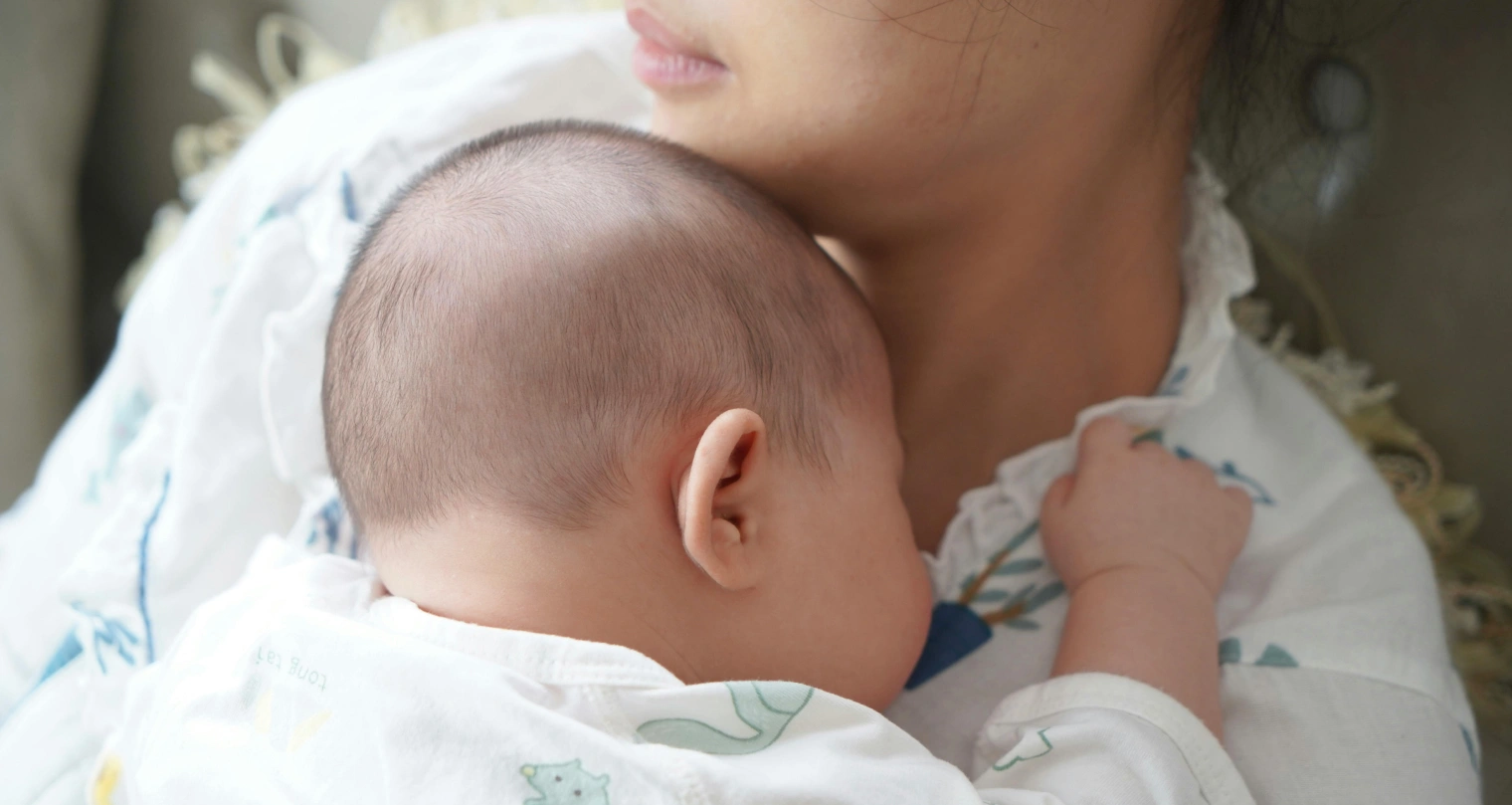
Natural disasters and emergency situations often have a significant impact on infants and toddlers. Drastic environmental changes, loss of routine, and exposure to stress can affect children's emotional and physical well-being.
In many children, this manifests as stress, behavioral regression (such as becoming fussy or difficult to leave alone), and changes in sleep patterns, such as difficulty falling asleep, frequent waking, or nightmares. Sleep is a basic need that is essential for children's growth and development as well as their physical and mental recovery.Pada banyak anak, hal ini tampak dalam bentuk stres, regresi perilaku (misalnya kembali rewel atau sulit ditinggal), serta perubahan pola tidur seperti sulit tidur, sering terbangun, atau mimpi buruk. Padahal, tidur merupakan kebutuhan dasar yang sangat penting bagi tumbuh kembang dan pemulihan fisik serta mental anak.
Why Do Children Experience Sleep Disorders After a Disaster?
Sleep disorders in children after a disaster generally occur due to a combination of the following factors:
● Emotional factors: Children may feel fear, loss, or confusion due to the changes that have occurred. Traumatic memories, separation anxiety, and feelings of insecurity make children more alert, making it difficult for them to relax and fall asleep.
● Environmental factors: Refugee camps or temporary shelters are often noisy, crowded, and inadequately lit. Extreme temperatures and poor hygiene can also interfere with children's sleep.
● Physical factors: Fatigue, lack of food and drink, poor physical condition, and disturbances such as insect bites can make it difficult for children to sleep soundly.
● Social factors: Children are very sensitive to the emotions of the adults around them. Seeing parents or caregivers who are stressed or anxious, as well as being exposed to traumatic news or conversations, can increase children's anxiety and affect the quality of their sleep.
Why is Sleep Important in Emergency Situations?
In emergency situations, sleep plays a crucial role. Sleep helps physical recovery after prolonged fatigue and stress, supports children's emotional regulation, and maintains optimal immune function.
Additionally, sufficient sleep helps children develop better coping skills to handle difficult situations, enabling them to remain calm, responsive, and adaptable to changes.
Langkah-Langkah Menjaga Kualitas Tidur Anak Pascabencana
1. Creating a Sense of Security
The presence of responsive parents or caregivers is key. Listen to your child's feelings, validate their emotions, and reassure them that they are safe. Physical contact such as hugging or accompanying your child can also help calm them down. When children feel safe, their stress hormone levels decrease, allowing their bodies to relax and making it easier for them to fall asleep.
2. Create a Simple, Consistent Sleeping Area
Even when you're limited, try to have your kid sleep in the same spot every night, including when they have to stay overnight at a shelter or temporary home. Use the same bedding consistently, like a blanket, jacket, or mat, so your kid feels familiar with it.
Then, if possible, create ‘boundaries’ for the sleeping area using bags, blankets, or pillows to give the illusion of personal space. Parents can also hang fabric or blankets to cover the child's ‘sleeping area’ to block out too much light and prevent people from passing by.
3. Maintain Bedtime Routines
Bedtime routines such as cleaning up, changing clothes, praying, or reading a short story help signal to your child's body that it is time to sleep, even if conditions are not ideal. Do these things consistently every day.
4. Optimizing Physical Condition
Manage your child's physical condition by focusing on the things that are most likely to be improved in an emergency situation. For example, make sure your child is not too cold or too hot by adjusting their clothing, without needing to wear excessive layers to prevent overheating.
If bathing is not possible, clean your child's body using wet wipes or cloths, especially on the face, neck, armpits, and feet to make them feel more comfortable.
In addition, avoid giving them heavy meals or sweet drinks at least one hour before bedtime to help your child's body prepare for rest.
5. Maintaining Physical Activity and Sleep Schedule
Encourage your child to move around and play lightly during the day so that their energy is channeled. Research shows that children who are active during the day tend to sleep better at night because their need for movement is well met.
Simple activities such as taking a short walk in a safe area are sufficient. In addition to physical activity, give your child space to express their emotions through drawing, role-playing, or storytelling.
Also, try to maintain consistent bedtimes and wake-up times to help maintain your child's biological rhythm.
6. Managing Stress for Parents
Even though they are still babies or toddlers, children are sensitive to their parents' stress. Changes in tone of voice, expression, and attitude of parents can make children feel anxious, fussy, and have difficulty sleeping.
Therefore, before accompanying children, parents need to calm themselves first, for example by taking deep breaths and speaking more softly. A calm and consistent response helps children feel safe and makes it easier for them to calm down.
For older children, it is best to limit their exposure to traumatic news or conversations. Try to discuss emergency situations away from children so that they do not absorb additional anxiety.
Conclusion
In conclusion, sleep is an important part of the recovery process for children after a disaster. The main focus is on building a sense of security, maintaining a simple routine, and creating a stable environment for children.
Limited conditions are not a major obstacle. With consistency and the full presence of adults, the quality of children's sleep can still be maintained for their health and well-being.
Author: Elvina Yahya, Bsc (Hons) - Food Technology & Nutrition
Certified Pediatric Sleep Consultant
Founder of @happylittlesleeper