The younger generation will determine the future of the nation. Today's younger generation consists of Generation Alpha, Generation Z, and millennials. They are agents of change who bring new dynamics to various aspects of life, including health. Currently, they live and grow up in the digital age, where information flows freely, but not all of it is accurate, including information about health. It is scattered across social media, applications, and online news channels.
A lot of information does not always mean the truth. This is where the importance of healthy living literacy lies, not just knowledge, but the critical ability to understand, assess, sort information, and make smart decisions and apply health information in daily life for the sake of personal and environmental health.
According to the WHO, good health literacy is directly related to healthy behavior, quality of life, and productivity. This means that young people with high health literacy will be better prepared to face the challenges of modern life, from diet and mental health to physical activity.
Health literacy encompasses more than just an understanding of nutrition or exercise, but the ability to seek, understand, assess, and apply health information from various sources, both digital and non-digital. Unfortunately, the rapid flow of information on social media also carries a major risk: health misinformation and hoaxes. For example, claims about extreme diets or alternative treatments that are not scientifically proven can easily influence people's views.
Challenges Faced by the Younger Generation
- Instant Lifestyle
The “fast-paced” culture has made fast food, packaged sweet drinks, and sitting for hours a common thing. - Exposure to Misinformation
Many viral health tips are not necessarily scientifically proven, such as extreme diets or consuming supplements without guidance. - Mental Health Often Overlooked
Academic and social pressures, as well as lifestyle demands, often cause teenagers and young adults to experience stress, anxiety, and even depression. - Lack of Physical Activity
Gadgets and devices make life easier, but they also reduce physical activity. Data shows an increased risk of obesity and metabolic diseases at a young age.
Key Pillars of Healthy Living Literacy for the Younger Generation
There are three key pillars that must be improved in order to build strong healthy living literacy among the younger generation, namely:
- Critical Education in the Digital World. Young people need to be taught not to blindly accept information they find on social media such as TikTok, Instagram, YouTube, or others. They must be able to identify credible sources, such as the Ministry of Health, WHO, or trusted health institutions, and distinguish between personal opinions and scientific facts.
- Holistic Understanding of Health. Health is not only physical. Healthy living literacy must also include education about mental health, stress management, and the importance of seeking professional help when needed. This education should also include basic knowledge about the prevention of infectious diseases and the impact of risky behaviors such as smoking, vaping, and substance abuse.
- Active Involvement and Advocacy. Young people should be encouraged to become agents of change. They can use digital platforms to disseminate accurate health information, create educational content, and advocate for policies that support healthy environments in their schools, campuses, or communities.
In addition, there are five important things that young people need to understand about healthy living, including:
- Eat a balanced diet, not just until you are full.
Consume a balanced diet, including foods that contain carbohydrates, protein, vegetables, fruit, and sufficient water. Limit sugar, salt, and saturated fats. - Be Active Every Day
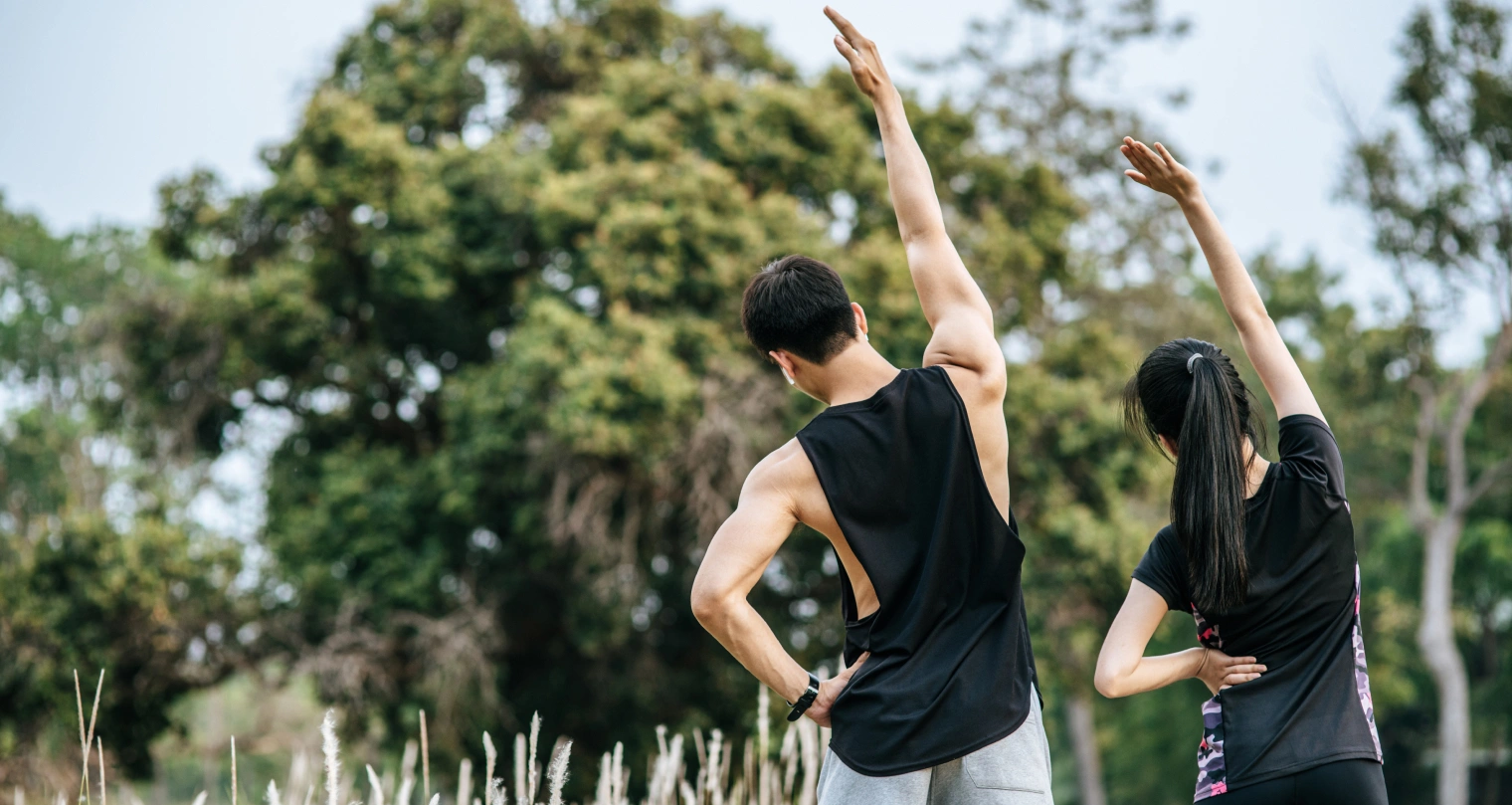
Get at least 30 minutes of light to moderate exercise, such as brisk walking, cycling, or gymnastics. Small activities such as climbing stairs are also part of an active lifestyle. - Take Care of Your Mental Health
Get enough rest, manage stress with hobbies, meditation, or exercise. Don't hesitate to seek professional help if needed. - Be Wise in Selecting Health Information
Ensure that information comes from reliable sources: medical/health professionals, scientific journals, or official institutions such as the Ministry of Health and WHO. - Check Your Health Regularly
Regular checkups help with early detection of disease. Young people should not wait until they are sick to go to a health facility. Use the results of health checks to improve healthy lifestyle patterns through clean and healthy living behaviors.
The Role of Schools, Families, and the Media
Most of today's young generation are still in school or college. In this situation, all relevant parties must contribute to ensuring that the younger generation is literate in health matters. The following steps need to be taken:
- Schools/universities should integrate health education into their curricula. Healthy Schools/Universities should serve as a platform for health literacy for those who are still in school or college.
- Families should serve as role models in leading a healthy lifestyle on a daily basis.
- The media and digital platforms need to provide educational content on health that is interesting, concise, and science-based.
Closing
The younger generation are not only users of technology, but also agents of change for a healthy lifestyle. By improving health literacy, they will become more independent individuals, capable of making wise decisions for their own well-being, the environment, and ultimately, creating a healthier and more empowered society. Equipping the younger generation with sound health literacy is a long-term investment for the future of the nation. Healthy living is not merely about being free from disease, but a long-term investment toward a more productive, happy, and quality future.